
What Is Sustainable Architectural Design?
Sustainable architectural design refers to designing a building not only to meet today’s needs, but also by considering future living conditions, natural resources, and environmental impacts.
The aim of this approach is to create energy-efficient, environmentally responsive, long-lasting buildings that support user comfort.
The Fundamental Approach of Sustainable Architecture
Sustainable architecture considers the entire design process holistically, from site selection and material use to energy consumption and indoor environmental quality.
Reducing a building’s impact on the environment is not merely a technical choice; it is also a design approach based on responsibility toward life, the city, and the future.
Energy Efficiency
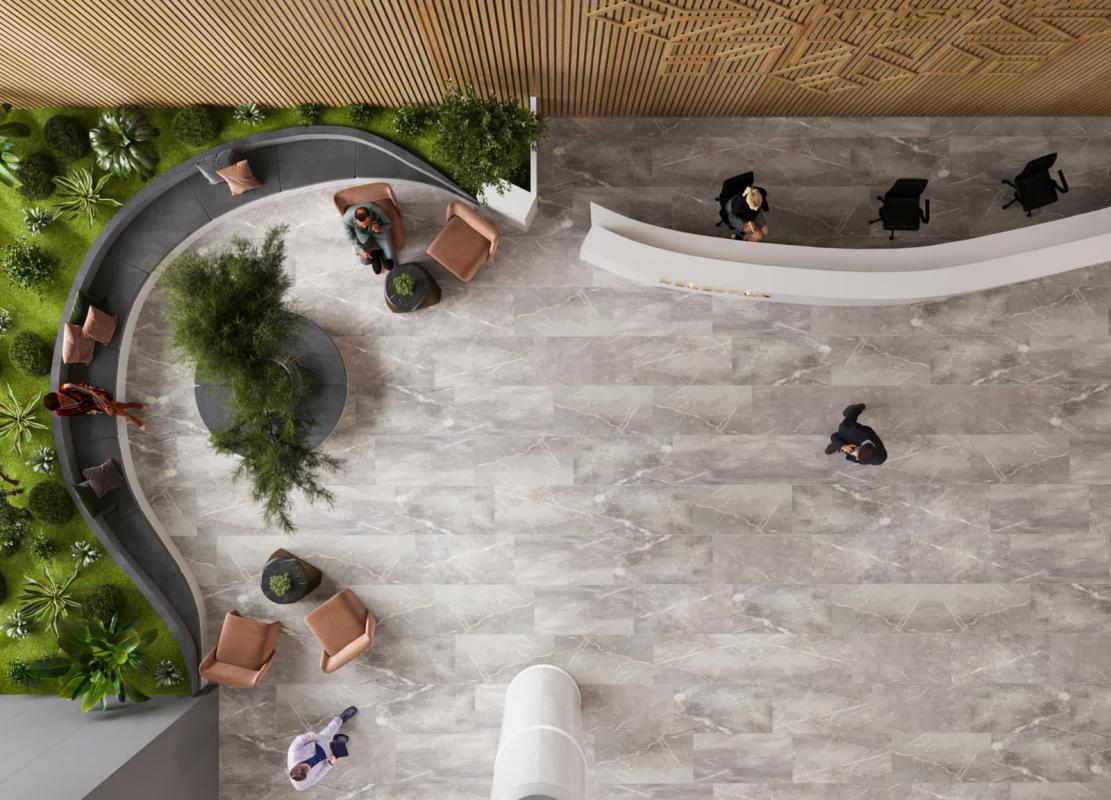
One of the most important criteria of sustainable buildings is energy efficiency. Energy consumption can be reduced through proper orientation, effective use of natural light, insulation solutions, and design decisions adapted to local climate conditions.
As a result, the building places less burden on the environment while also providing a more economical living environment for its users over the long term.
The Right Material Selection
The materials used in sustainable architectural design play a major role. Local, durable, recyclable materials with a low environmental impact should be preferred whenever possible.
The right material selection directly affects both the aesthetic character and the lifecycle of a building.
Natural Light and Ventilation
For a building to be sustainable, it should make maximum use of natural daylight and natural ventilation.
Spaces that use daylight effectively improve user comfort while reducing the need for artificial lighting. Similarly, natural airflow supports indoor environmental quality and helps reduce energy consumption.
User-Centered Design
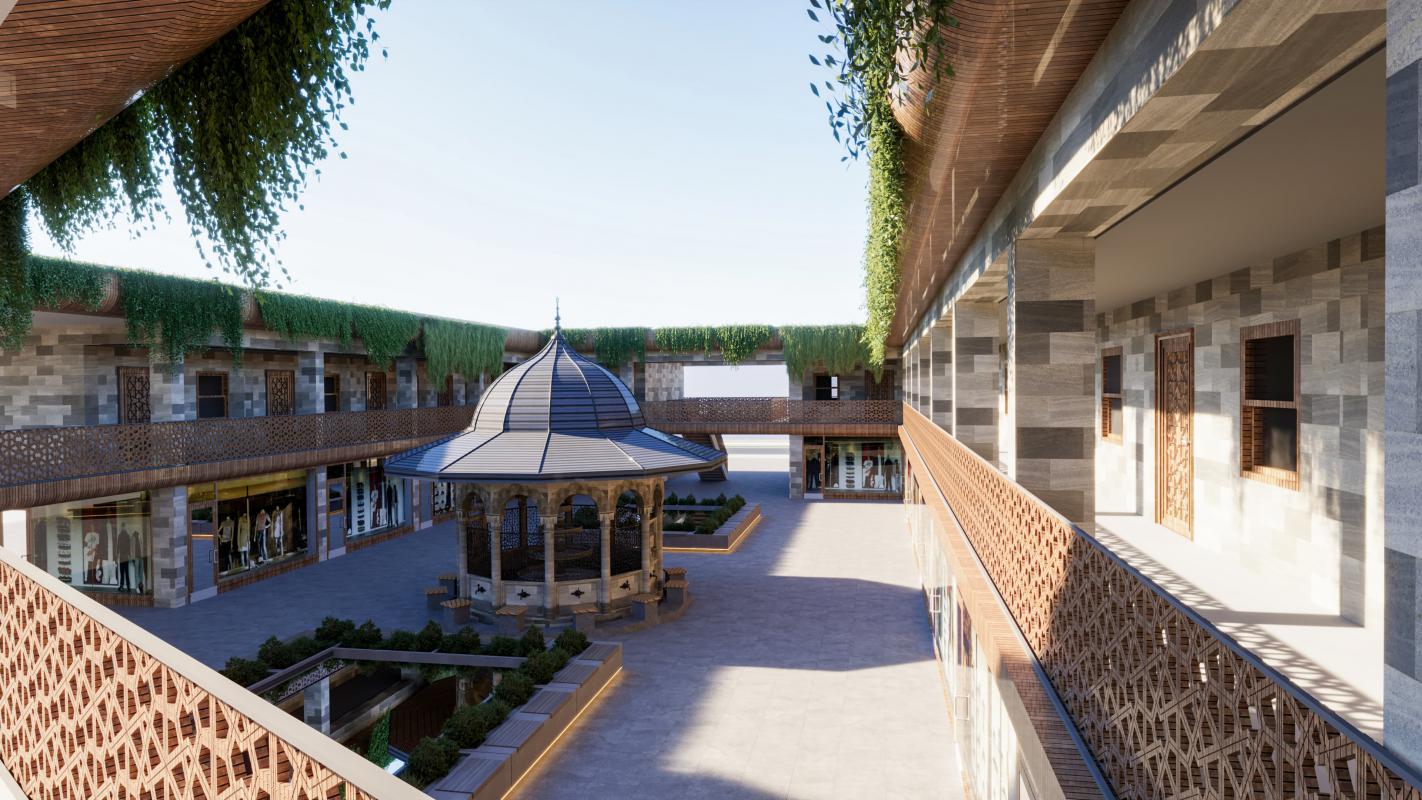
Sustainable architecture is not limited to environmental criteria. The relationship between the building and its users is also an important part of this approach.
A well-designed building takes into account users’ lifestyles, comfort, safety, and long-term needs. For this reason, sustainability is also a human-centered design approach.
Long-Lasting and Flexible Buildings
Sustainable architectural design aims to create buildings that can adapt not only to current uses, but also to changing needs in the future.
Through flexible planning, durable building systems, and a timeless design language, buildings can retain their value for longer periods.
Harmony with the City and the Environment
Every building is part of its surroundings. For this reason, sustainable architecture considers the relationship between the building and the urban fabric, climate, topography, cultural identity, and social life.
Buildings that are in harmony with their surroundings contribute to their location not only physically, but also socially and culturally.
Our Approach to Sustainable Design at Mavlu Mimarlık
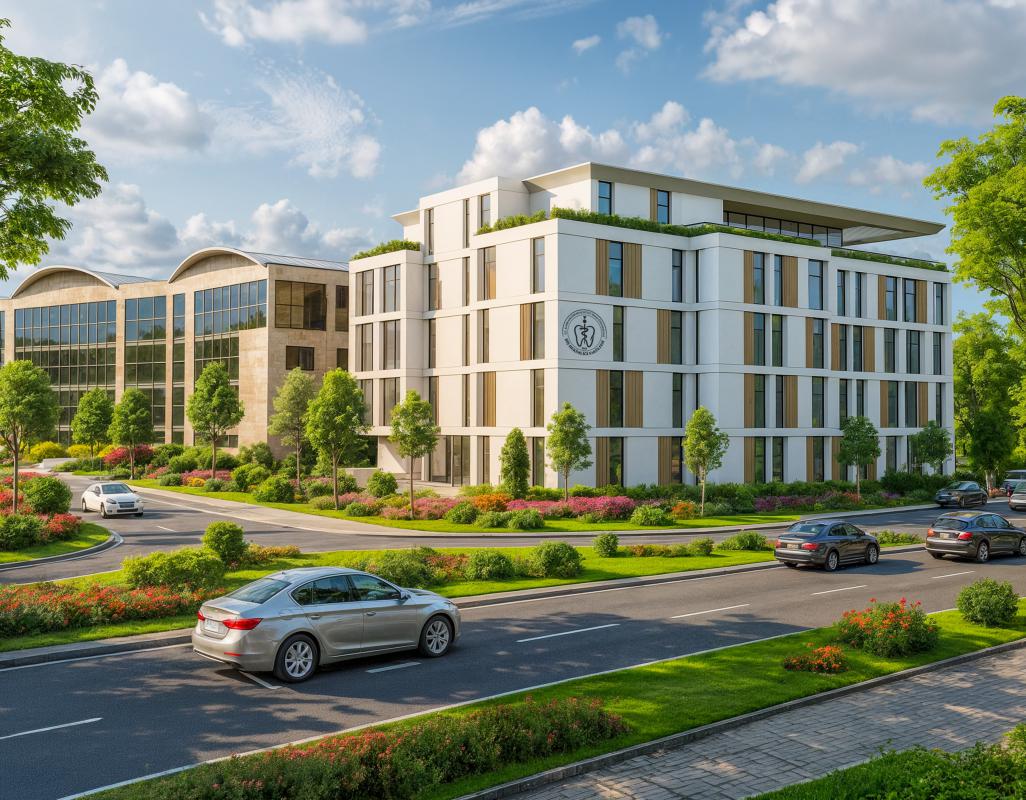
For Mavlu Mimarlık, sustainable architectural design is not limited to developing environmentally friendly solutions. Every project is approached by considering the character of its location, user needs, and its potential to create long-term value.
For us, architecture means designing spaces that respond to today’s needs while remaining prepared for the ways of living that will shape tomorrow.
Tomorrow starts now.

Onikişubat | Kahramanmaraş | Türkiye