
Tailor-Made Design in Modern Architecture
In modern architecture, design is not limited to creating an aesthetically appealing building. Every structure requires a unique approach shaped by its site, user needs, lifestyle habits, climate conditions, and relationship with its surroundings.
The tailor-made design approach comes into play precisely at this point. It refers to an architectural approach in which project-specific decisions are made instead of relying on standardized solutions, and every detail is shaped according to the user and the space.
A Project-Specific Approach Instead of Standard Solutions
No two sites are the same. Every user has different expectations, lifestyles, and ways of experiencing space. For this reason, successful design in modern architecture does not emerge from repeating ready-made formulas, but from accurately understanding the unique conditions of each project.
In a tailor-made approach, the building is designed according to the user’s daily rhythm, needs, and expectations that may evolve over time. The floor plan, facade character, material selection, use of light, and interior organization are all treated as interconnected parts of a complete design strategy.
Architectural Details Define the Identity of a Building
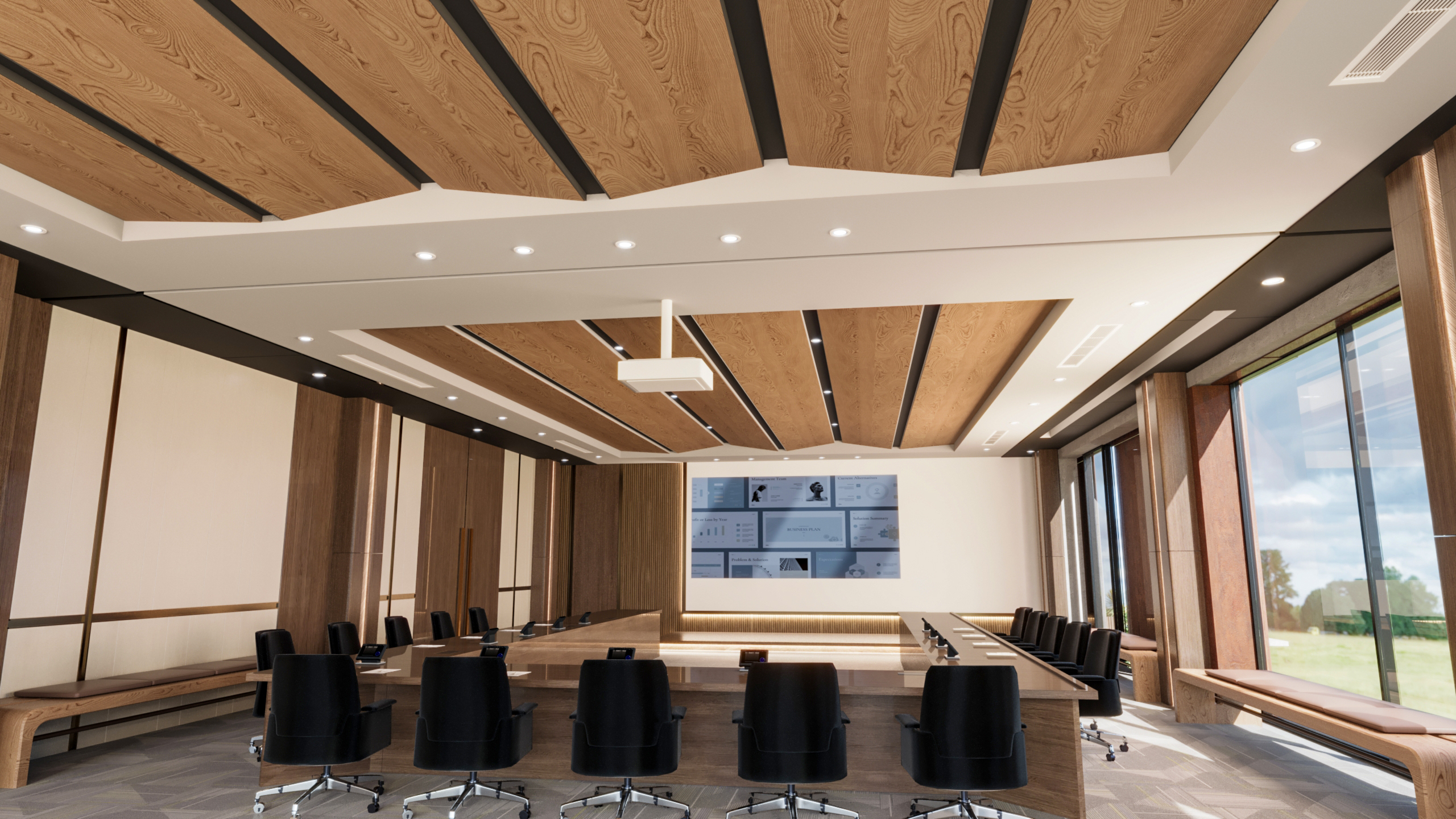
What makes a building distinctive is often hidden not only in major design decisions, but also in the smallest details. From door handles and stair connections to shading elements and built-in furniture, every detail contributes to strengthening the architectural character of the building.
Project-specific detailing demonstrates that architecture is much more than drawing. The way materials come together, how light interacts with surfaces, and how users physically engage with the space reveal the true quality of the design.
Material, Craftsmanship and Design Integrity
In a tailor-made architectural approach, material selection is not merely a visual preference. The right material directly affects the durability, maintenance requirements, comfort, and timelessness of a building.
Materials such as timber, natural stone, concrete, glass, and metal strengthen the architectural language when combined with the right detailing and high-quality craftsmanship. For this reason, quality of workmanship plays a crucial role in translating design into built reality.
A Spatial Experience Tailored to the User
In modern architecture, a well-designed building creates spaces that adapt naturally to the user’s life. The way daylight enters the interior, the positioning of shared spaces, the balance of privacy, storage solutions, and circulation patterns are all fundamental elements that shape the user experience.
The tailor-made design approach considers not only the user’s current needs, but also lifestyles that may change over time. As a result, the building becomes more than an aesthetic object; it becomes a living, adaptable space that retains its value.
A Timeless and Lasting Design Language
Project-specific design aims to create a more enduring architectural language beyond temporary trends. Through timeless materials, refined details, balanced proportions, and strong spatial organization, a building can preserve its value for many years.
Quality in modern architecture is measured not only by making a strong first impression, but by providing long-term comfort, functionality, and aesthetic continuity for its users.
The Tailor-Made Design Approach at Mavlu Mimarlık
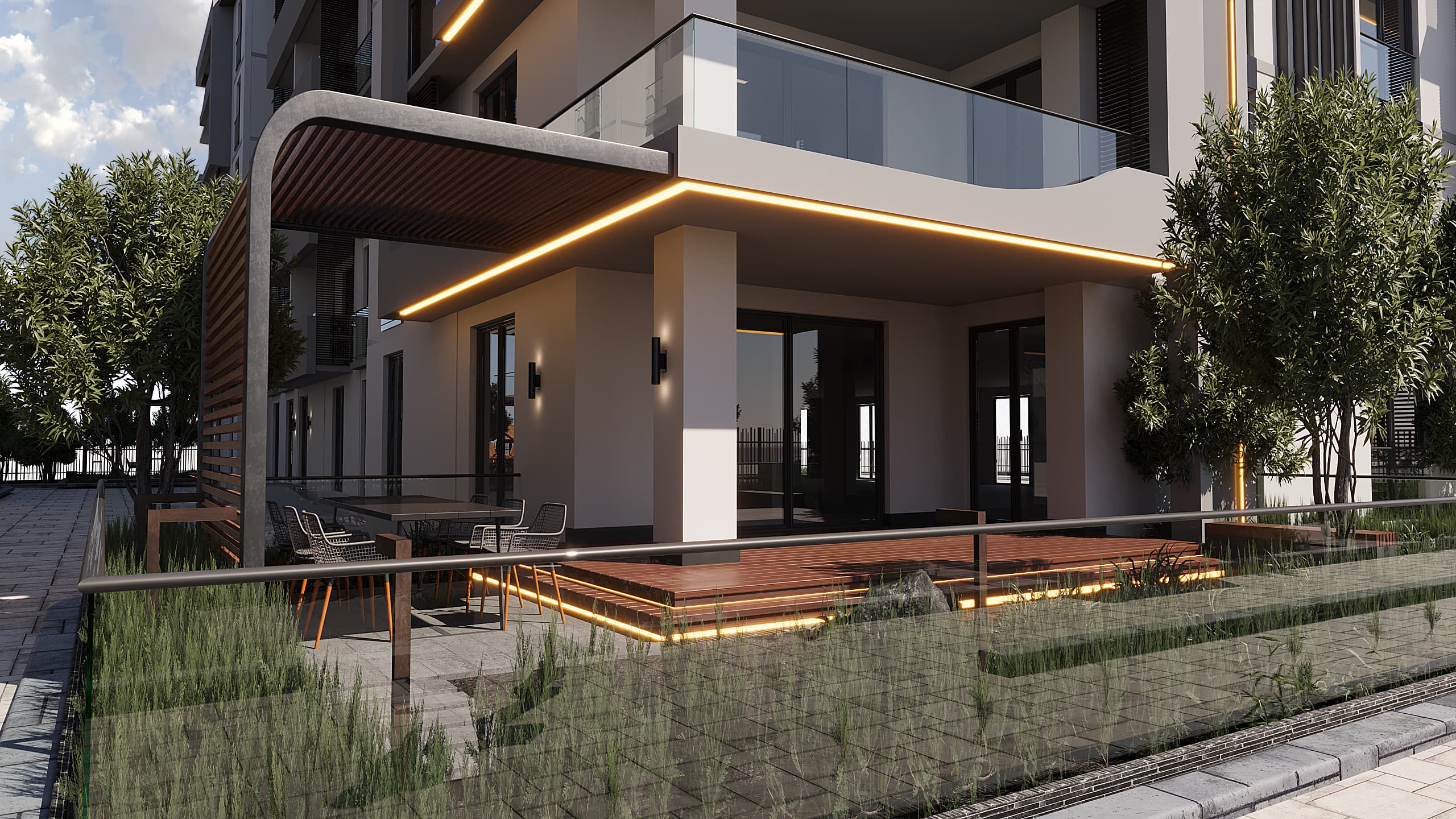
For Mavlu Mimarlık, every project is a unique design process that must be evaluated within its own context. The character of the site, user expectations, environmental conditions, and architectural objectives are considered together to develop project-specific solutions.
For us, tailor-made design is not merely about producing custom details, but about shaping the entire building according to the user, the place, and time. Every line, every material, and every detail is the result of a conscious design decision that strengthens the identity of the project.
Because good architecture does not begin with standard solutions; it begins with original answers to the right questions.

Onikişubat | Kahramanmaraş | Türkiye