
Good Architecture Is More Than a Building
Good architecture cannot be defined solely by the appearance of a building or the number of square meters it contains. What truly gives a building value is the relationship it establishes with people, its surroundings, time, and everyday life.
Architecture is more than the physical production of walls, floors, and facades; it is a powerful design discipline that shapes the way we live. A well-designed space does not simply provide shelter or a place to work; it offers comfort, calm, safety, and a sense of belonging.
Good architecture creates spaces that improve life without demanding attention.
The Impact of Space on People
People are directly influenced by the spaces they inhabit. The amount of daylight a room receives, ceiling height, material texture, acoustic balance, airflow, and the sense of openness all affect the user’s mood, behavior, and relationship with the space.
For this reason, good architecture is shaped not only by aesthetic decisions, but by design choices that place human experience at the center. Spaces that calm, guide, create a sense of openness, and avoid overwhelming the user are the result of strong architectural thinking.
Design That Makes Everyday Life Easier
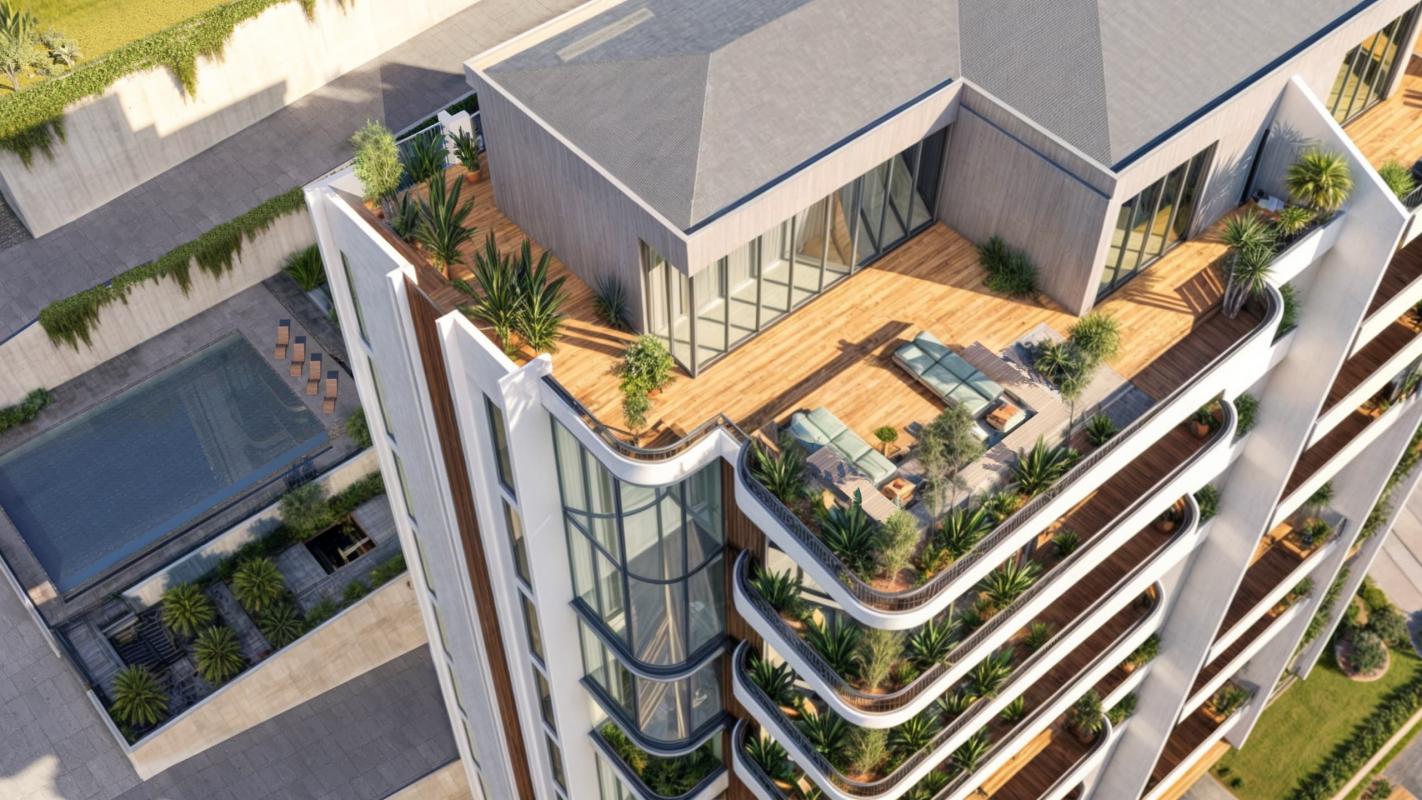
Successful architectural design makes the flow of daily life feel natural and comfortable. When transitions between spaces, storage solutions, privacy, lighting, and usage scenarios are planned correctly, the building becomes a quiet facilitator for its users.
In a well-designed home, morning light entering from the right direction, living spaces relating to one another in a balanced way, or private areas providing sufficient privacy are not matters of coincidence. Each is a deliberate design decision that directly affects quality of life.
Before being visually impressive, good architecture must work well.
Light, Space and Atmosphere
Atmosphere is one of the strongest elements defining the character of a building. The way light enters a space, the effect of shadows on surfaces, the proportions of voids, and the relationship between materials all shape how the building feels.
In architecture, atmosphere is not merely a visual effect. The sense of calm, openness, warmth, or security a person experiences when entering a space is one of the most powerful yet invisible outcomes of design.
For this reason, good architecture creates an experience that is not only seen, but lived and felt.
The Value of Timeless Design
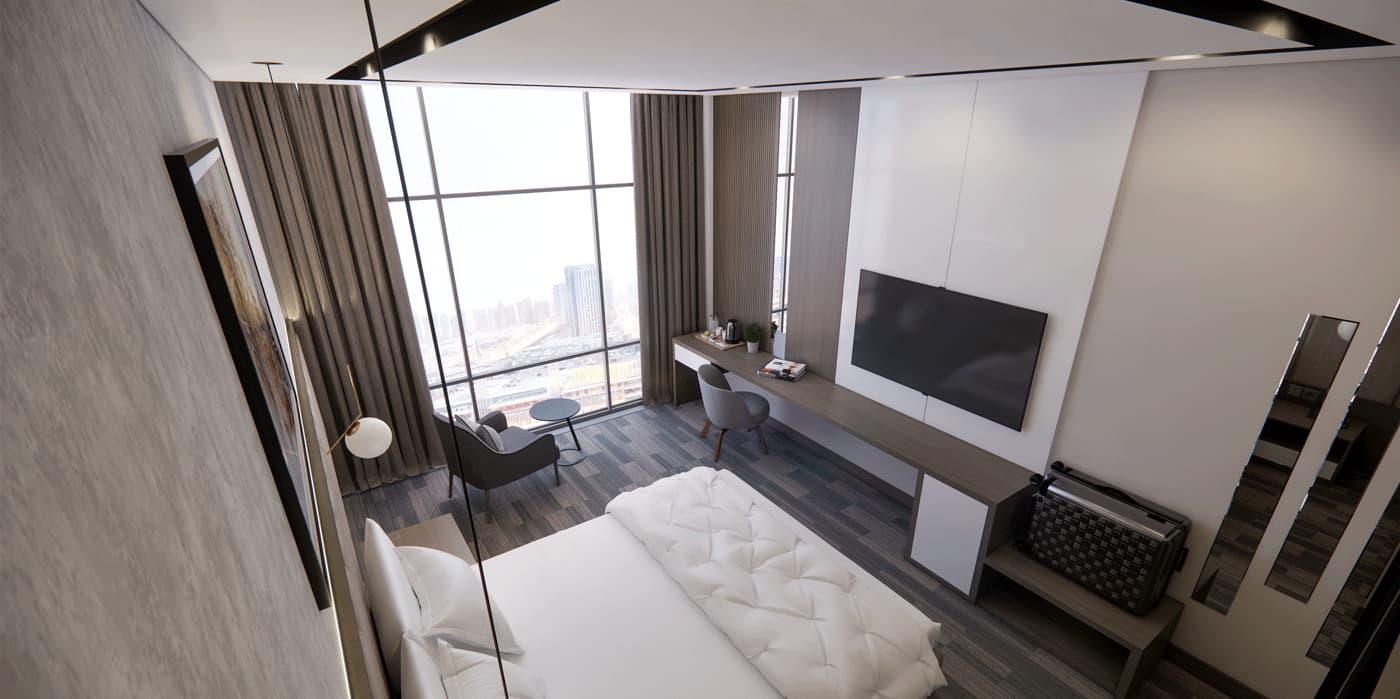
Good architecture should create lasting value beyond temporary trends. A building can be considered truly successful when it preserves its function, aesthetic strength, and usability over time.
Timeless design is achieved through correct proportions, refined details, quality materials, and a strong spatial concept. This approach helps a building respond not only to the needs of today, but also to changing ways of living in the future.
The Power of Materials and Details
The quality of a building is often felt in its details. Material selection, the resolution of junctions, surface textures, and the quality of craftsmanship determine how architectural design is ultimately realized on site.
The warmth of timber, the natural character of stone, the simplicity of concrete, or the transparency of glass can give a building not only aesthetic value, but also character when used correctly. For this reason, detail is not a minor part of architecture; it is one of the fundamental elements that determines the quality of the whole.
The soul of a building is often hidden in its details.
The Relationship with People, the Environment and the City
Every building is part of its surroundings. Good architecture is therefore not considered only within its own boundaries; it is evaluated together with the site, topography, climate, neighboring buildings, urban fabric, and social life.
Buildings that establish the right relationship with their surroundings add value not only for their users, but also to the place in which they stand. An architectural approach that responds sensitively to the street, views, climate, and local character creates buildings that are stronger, more meaningful, and longer-lasting.
Our Understanding of Good Architecture at Mavlu Mimarlık
For Mavlu Mimarlık, good architecture is not simply about designing buildings; it is about considering life, the user, and the future of the space together. Every project is approached through the character of its location, user needs, material language, and potential to create long-term value.
For us, architecture means asking the right questions, understanding the needs of a space, and developing original, simple, and lasting responses. Every building is considered through a design approach capable of adapting not only to today’s needs, but also to the ways of living that may emerge tomorrow.
Because good architecture is more than a building; it is a living experience that touches people’s lives.

Onikişubat | Kahramanmaraş | Türkiye